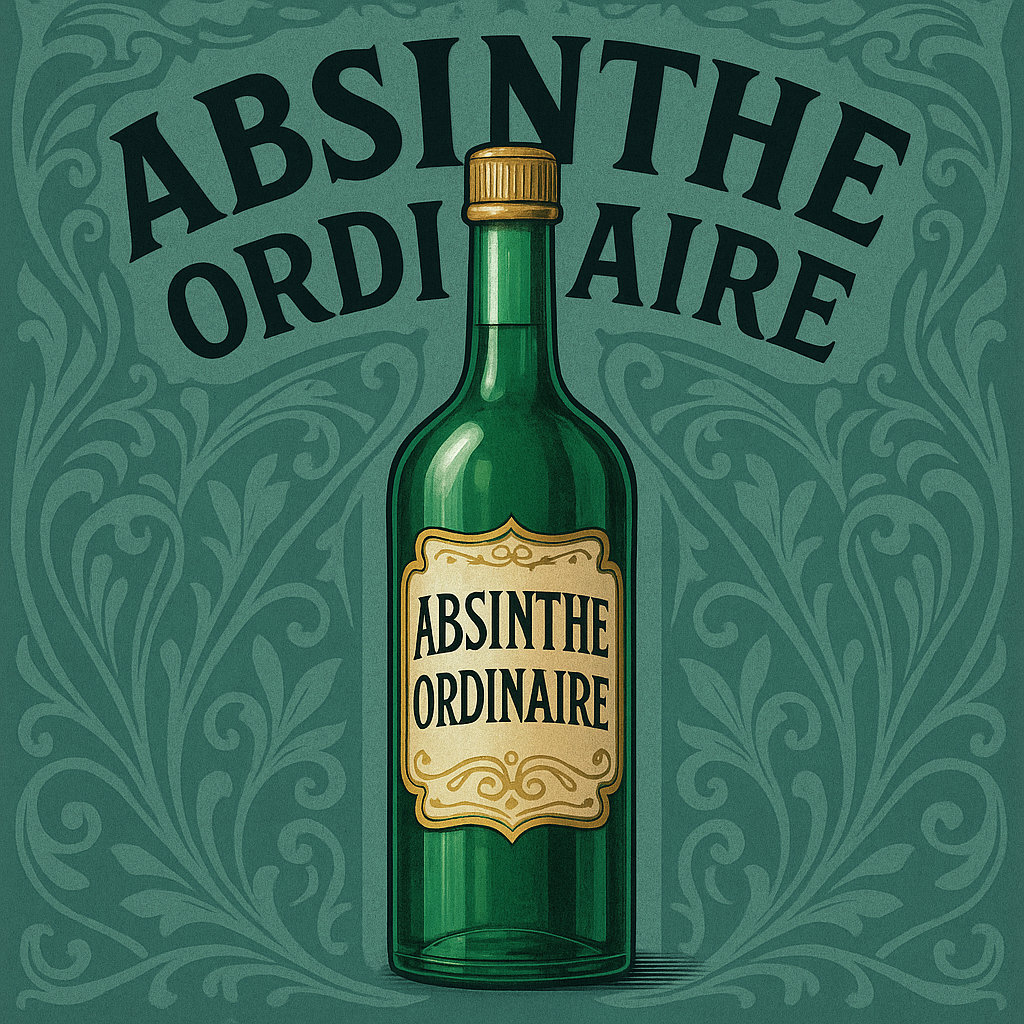
Absinthe Ordinaire: The Legendary Green Fairy of France
Absinthe Ordinaire is not simply a beverage; it is a piece of French cultural history that carries within it the mystique of a bygone era. From the cobblestone streets of Paris to the smoky cafés of Montmartre, absinthe became a symbol of inspiration, creativity, and sometimes controversy. Known as “La Fée Verte” — the Green Fairy — this spirit enchanted artists and poets, musicians and philosophers, offering both comfort and a touch of rebellion in every glass.
The Origins: Dr. Pierre Ordinaire’s Elixir
The story begins in the late 18th century with Dr. Pierre Ordinaire, a French physician who created an herbal tonic for medicinal purposes. His formula combined wormwood, anise, fennel, and a bouquet of alpine herbs, giving birth to a drink that was at once healing and intoxicating. What was intended as a remedy soon became a sensation, spreading quickly across France and Switzerland, and ultimately capturing the imagination of Europe.
The Café Culture of 19th-Century Paris
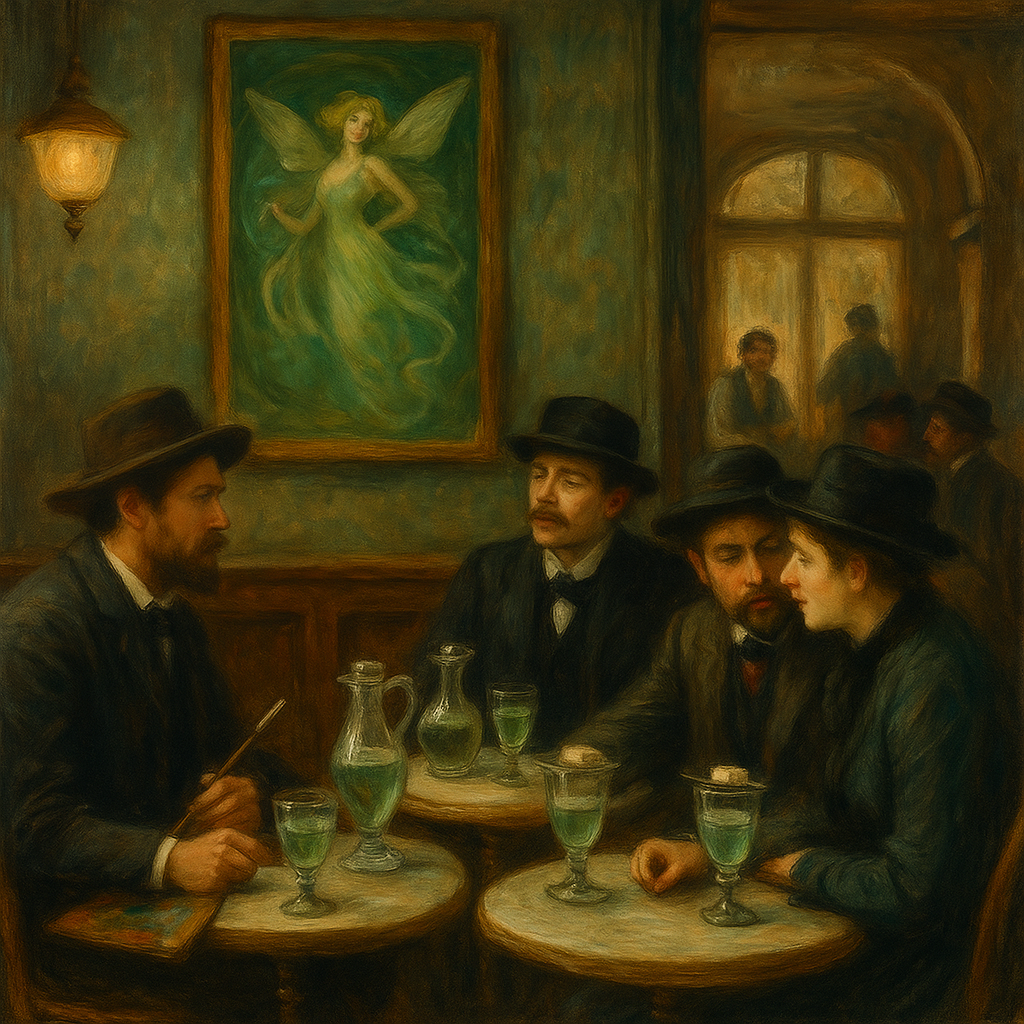
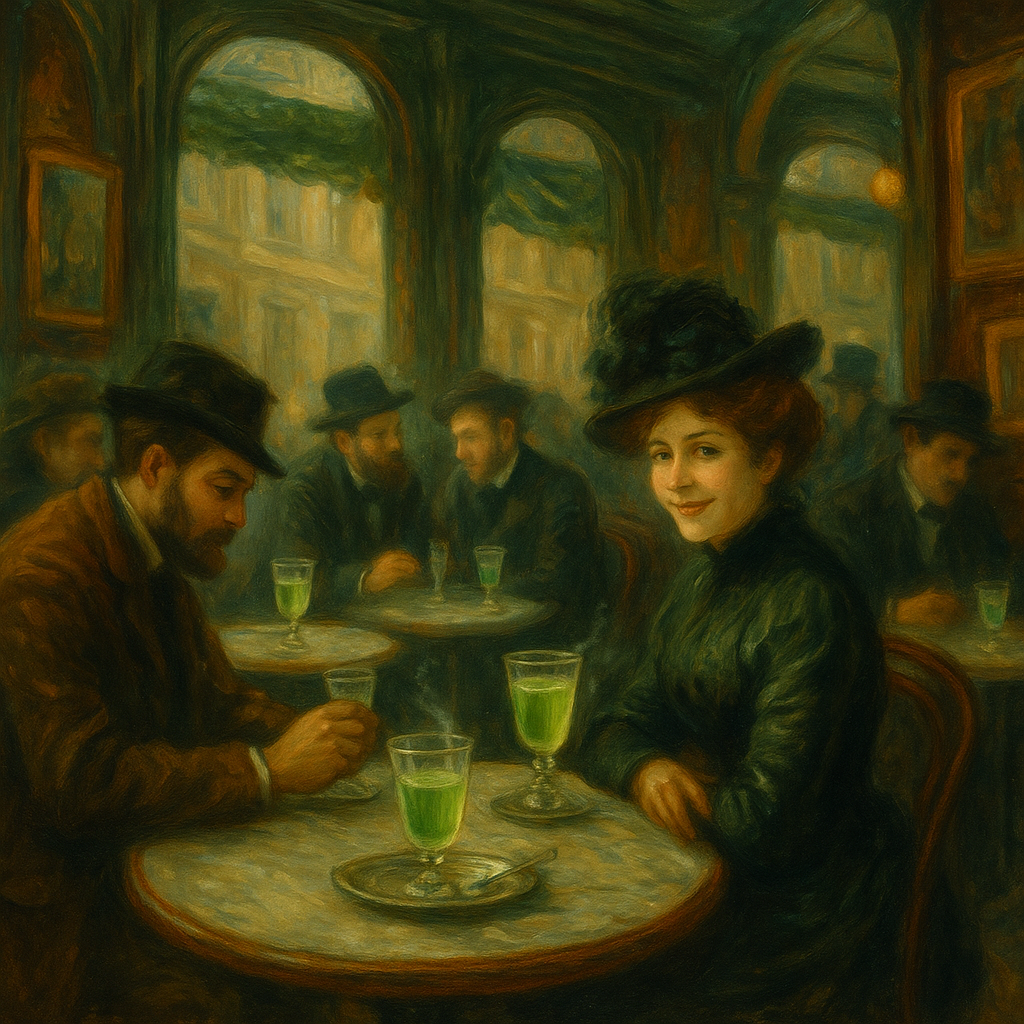
By the mid-1800s, absinthe was everywhere. In Paris, five o’clock was known as l’heure verte, or the Green Hour, when writers, painters, and bohemians would gather in cafés to sip the cloudy green drink. Vincent van Gogh, Paul Verlaine, Oscar Wilde, and Henri de Toulouse-Lautrec all fell under its spell, crediting absinthe with unlocking visions and boldness in their art. The swirling ritual of preparing absinthe became as iconic as the drink itself, symbolizing creativity and freedom of thought.
Ritual and Romance in a Glass
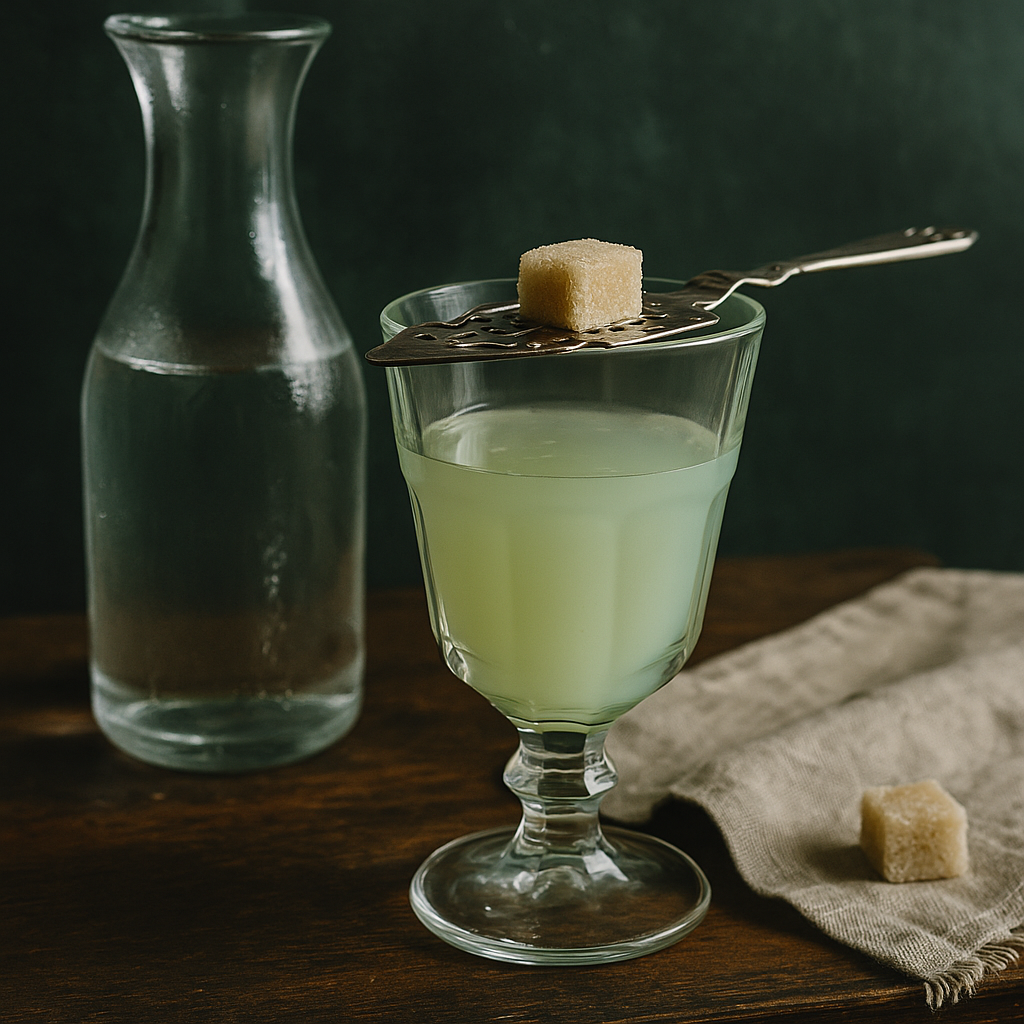
The preparation of absinthe is a ritual steeped in patience and elegance. A sugar cube rests on a slotted spoon above the glass, and cold water is dripped slowly over it. As the liquid cascades, the clear emerald transforms into a milky opalescence — the famous louche. Aromas of anise and fennel rise like perfume, while wormwood imparts a bittersweet edge. To sip Absinthe Ordinaire is to participate in a tradition that connects modern drinkers to centuries of artistry and passion.
Prohibition and Resurrection
Absinthe’s popularity also bred fear. In 1915, France banned it, blaming the spirit for hallucinations, madness, and even moral decline. In truth, much of the hysteria was fueled by the wine industry, which saw absinthe as a rival. For nearly a century, the Green Fairy disappeared into legend, surviving only in whispers of its supposed dangers. Yet in the early 2000s, with new regulations and scientific clarity, absinthe made its triumphant return. Today, Absinthe Ordinaire proudly carries forward this rebirth, blending authenticity with modern refinement.
How to Enjoy Absinthe Ordinaire
While the classic ritual remains timeless, absinthe also shines in cocktails. A rinse of Absinthe Ordinaire transforms a martini, while a splash elevates the New Orleans classic Sazerac. Some prefer it neat, appreciating its intense herbal complexity. However you choose, each sip is a bridge to history — a taste of the Belle Époque revived for the 21st century.
Quick Facts
- Alcohol Type: Absinthe
- Origin: France
- Signature Herbs: Wormwood, anise, fennel
- Famous Patrons: Van Gogh, Hemingway, Toulouse-Lautrec
- Nickname: “La Fée Verte” — The Green Fairy